Why Does My Dog Drag Me Down the Street? The 3 Keys to Loose-Leash Walking
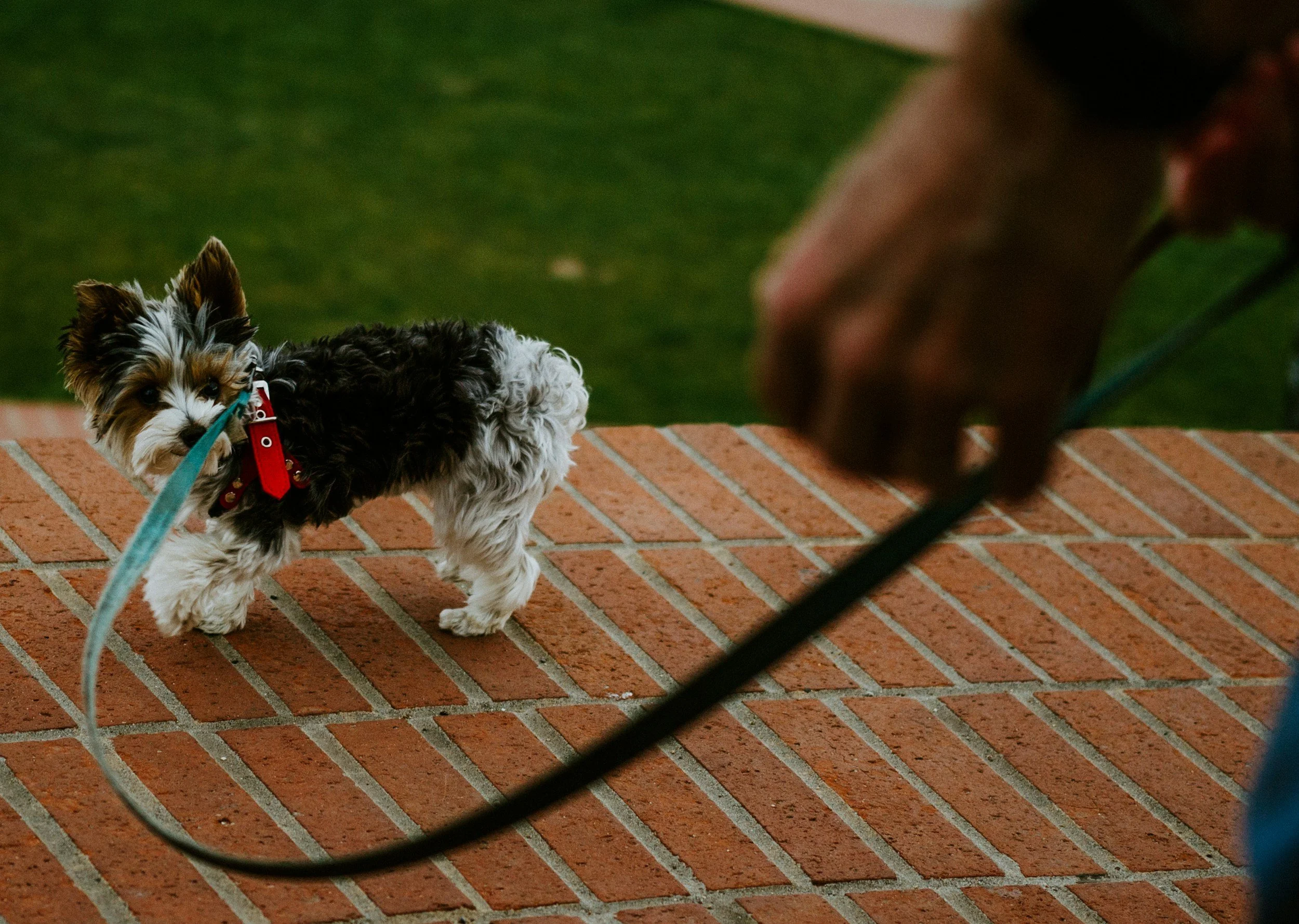
If every walk feels more like a workout than a relaxing stroll, you’re not alone.
The 3 Keys to Loose-Leash Walking
If every walk feels more like a workout than a relaxing stroll, you’re not alone.
One of the most common frustrations dog owners face is leash pulling — that constant tension where your dog drags you from sniff to sniff while your shoulder pays the price.
But here’s the good news: leash pulling isn’t your dog being “naughty.” It’s a natural behaviour — and with the right training, you can teach them that walking nicely beside you actually pays off.
Let’s explore why dogs pull and the three key steps to turn your walks from chaos to calm.
Why Dogs Pull on the Lead
Dogs naturally move faster than we do. Their instincts tell them to explore, chase scents, and follow their curiosity. When the lead tightens, most dogs don’t think, “Oh, I should slow down.” Instead, they think, “If I pull harder, I’ll get there faster.”
Over time, this becomes a learned habit — because every time your dog pulls and moves forward, the pulling works.
That’s why the first rule of leash manners is simple but powerful:
Dogs repeat what works for them.
If pulling gets them where they want to go, they’ll keep doing it.
Key 1: Stop Rehearsing the Problem
Every time your dog drags you down the street, they’re rehearsing that behaviour.
So, the first step is to break the cycle.
When the lead goes tight — stop walking.
No scolding, no yanking, no “heel!” command. Just stop.
The moment your dog loosens the lead or turns toward you, mark it (“Yes!” or click) and move forward again.
This teaches your dog that only a loose lead gets them what they want — movement, freedom, and fun.
Pro Tip: Practice this in quiet, low-distraction areas first. If your dog can’t walk nicely in the garden or hallway, the park will be too difficult.
Key 2: Choose the Right Equipment
The right gear can make a huge difference.
A flat collar puts pressure on your dog’s neck and can actually encourage more pulling (especially in strong breeds or excitable pups).
Instead, try:
A well-fitted Y-front harness that allows free shoulder movement.
A 2-metre training lead for gentle control and better communication
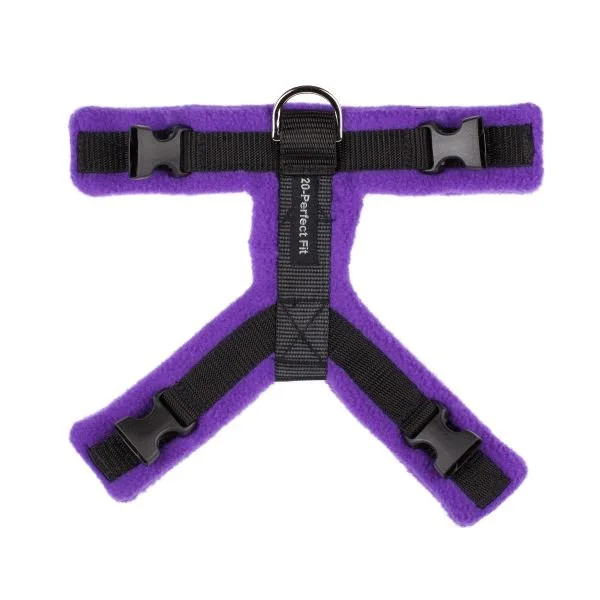
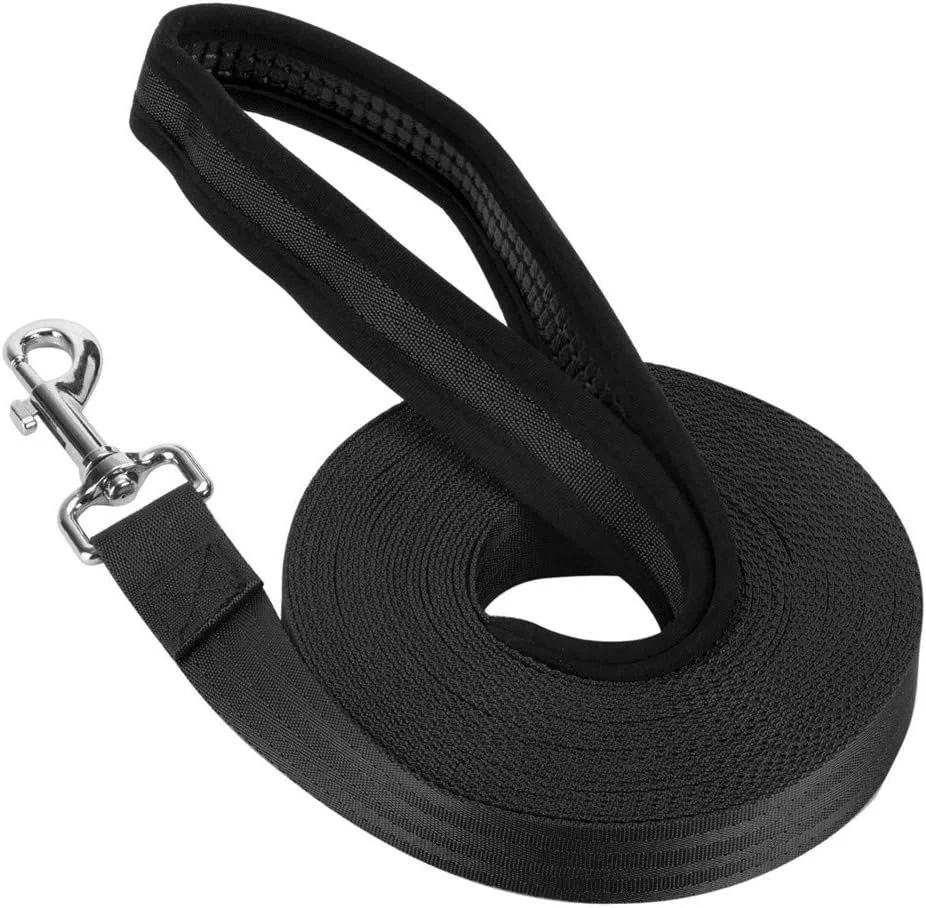
Avoid retractable leads — they reward pulling and teach your dog that tension equals freedom.
When your equipment feels comfortable and consistent, training becomes clearer and fairer for your dog.
Key 3: Make Loose-Lead Walking Rewarding
Dogs don’t pull to annoy us — they pull because the environment is full of exciting smells and movement. So, we need to make walking with us more rewarding than charging ahead.
Use high-value treats and calm praise when your dog walks on a loose lead.
Mark moments of success — even two or three calm steps at a time.
Over time, your dog learns that walking near you, not pulling ahead, brings all the good stuff.
Keep sessions short, positive, and fun. You’re not just teaching walking — you’re teaching focus, connection, and teamwork.
Real Talk: It Takes Practice
Loose-lead walking doesn’t happen overnight. It’s a skill built through consistency and clear communication. But once it clicks, it changes everything. Walks become calmer, your bond strengthens, and your dog learns how to think with you, not against you.
If you’re struggling or your dog’s pulling feels out of control, don’t worry — it’s a common issue I help families with every week.
You don’t have to battle it alone.
👉 Book a Behavioural Assessment today and get a personalised loose-leash plan that fits your dog, your routine, and your goals.
Final Thoughts
Your dog isn’t stubborn — they’re just untrained in what loose-leash walking really means.
By understanding the “why” behind the pulling and focusing on these three simple steps — stop rehearsing, use the right equipment, and reward calm walking — you can transform your walks for good.
Because calm walks don’t just make life easier — they build trust, focus, and a stronger bond between you and your dog. 🩵